TABLE OF CONTENTS
Latest Article
Tête-bêche – Two Books for the Price of One
Read what a man has to say about women, then flip the book over for what a woman has to say about men. A gimmick, sure, but that gimmick gave the world Dorothy Parker’s first book.
THE HUMORISTS



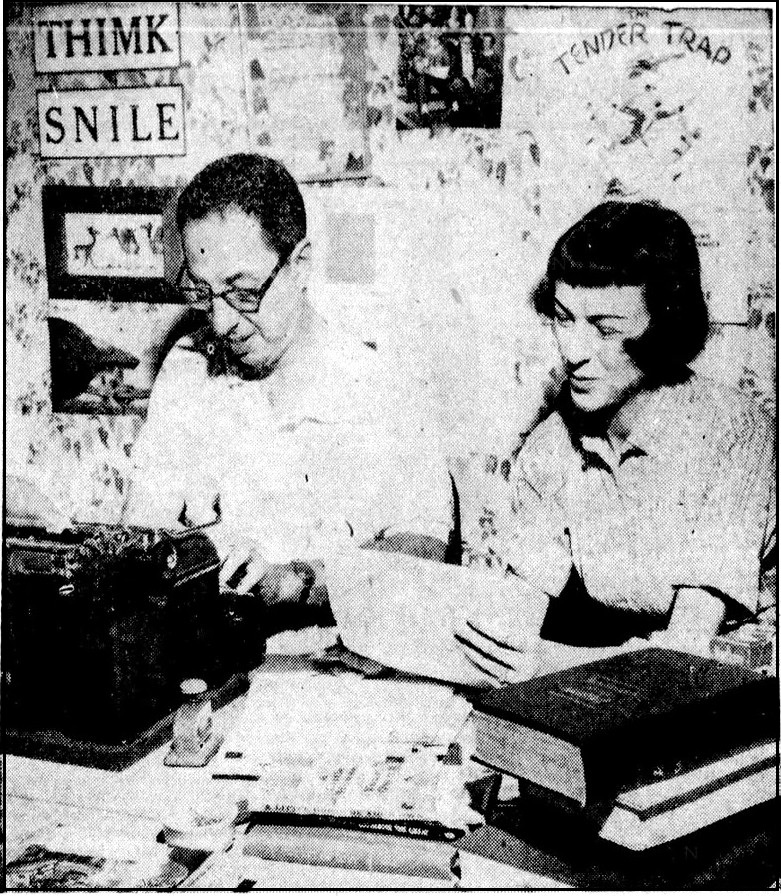
The Smiths – Elinor Goulding and Robert Paul
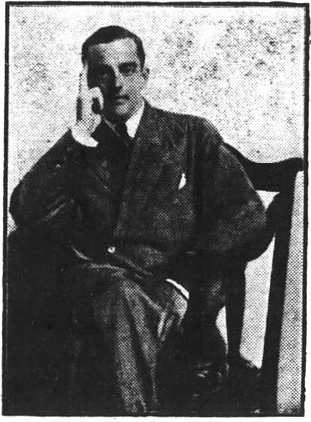
SINGULAR GOODNESS
Authors who wrote one notable book of humor
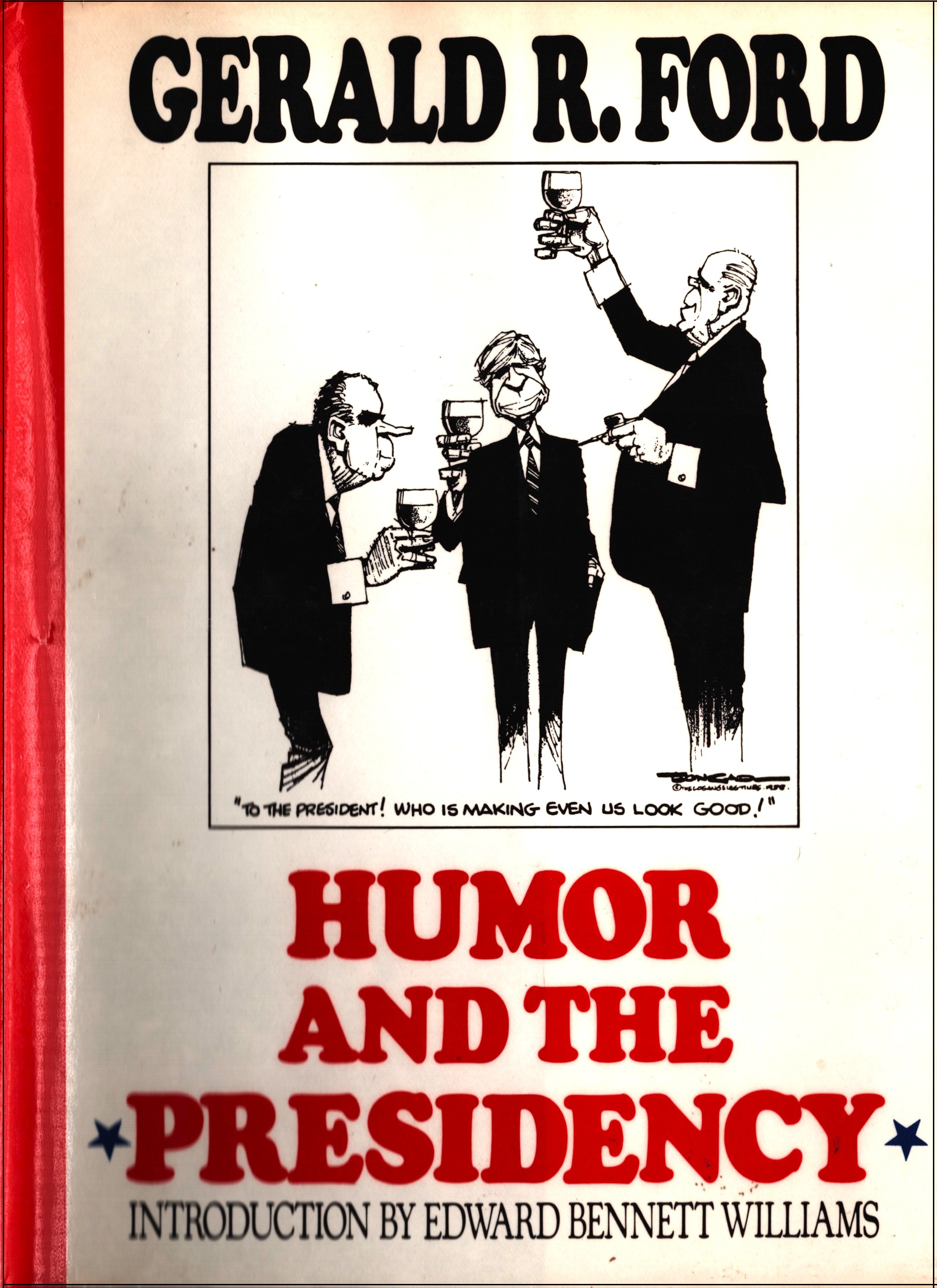


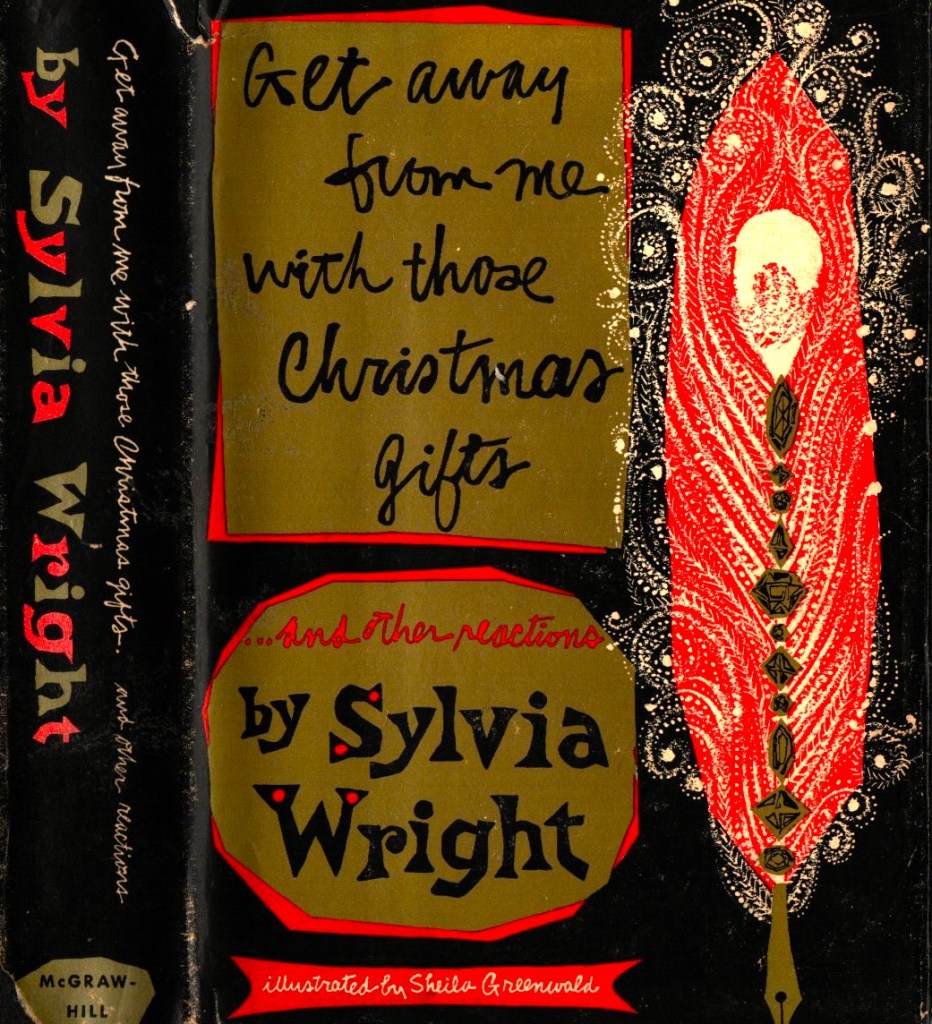
MORE FORGOTTEN FUN
Tête-bêche – Two Books for the Price of One
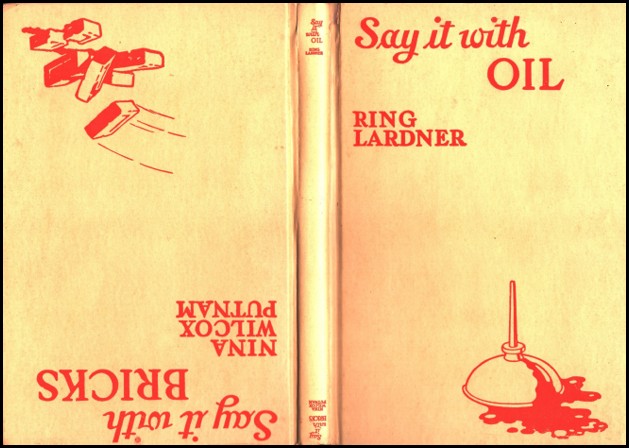
Read what a man has to say about women, then flip the book over for what a woman has to say about men. A gimmick, sure, but that gimmick gave the world Dorothy Parker’s first book.
The Laugh Club
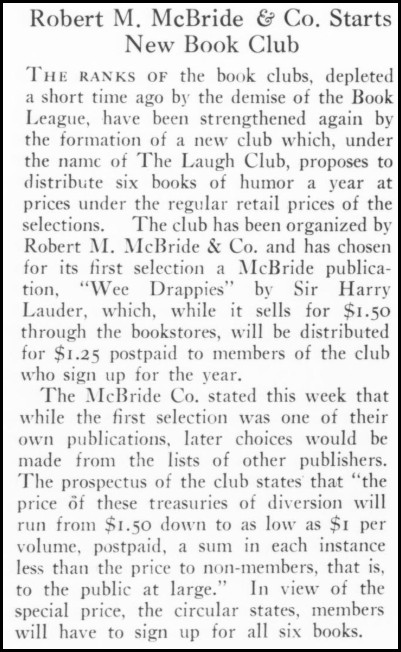
The Laugh Club! The greatest name for a series of humor books in all publishing history! And they would be sold at a discount! The best thing since the newly invented sliced bread! How could it fail?
It failed. Badly.
Quick Books
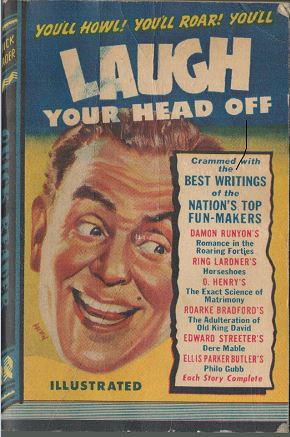
Pocket-sized anthologies of the best humorists of the day. An antidote to the ever-present horrors of World War II.
Hollow Books
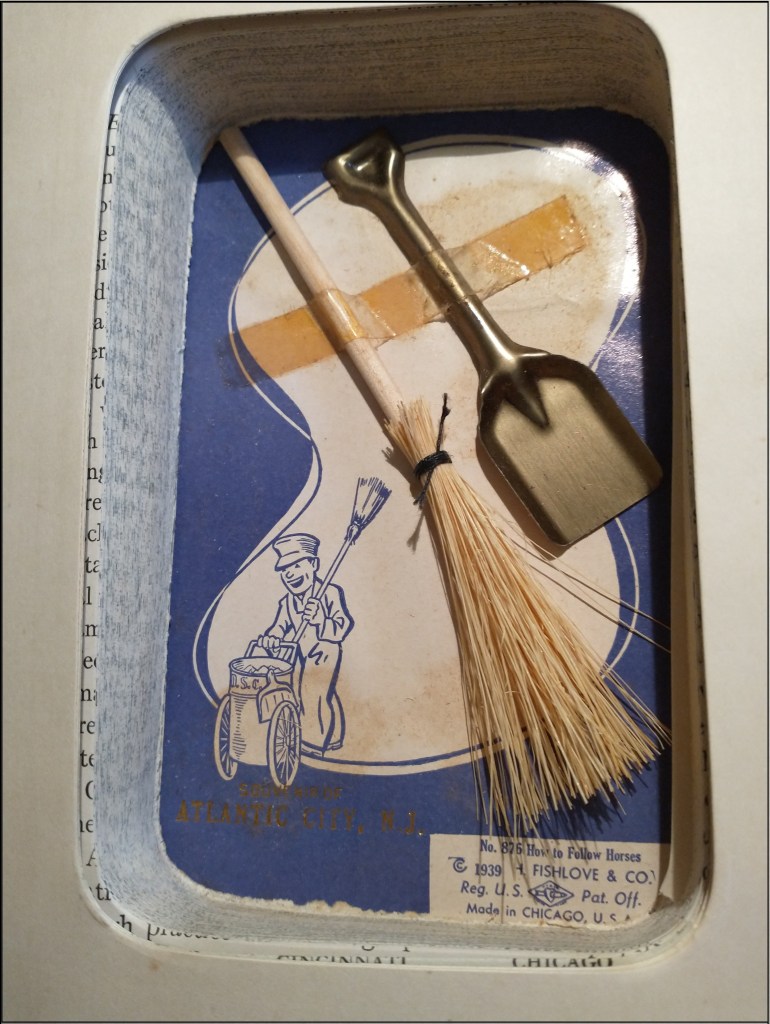
Every book tells a story, though not necessarily the one inside its pages. Some books, in fact, don’t have pages at all. Here’s their story.
Our Next President?

2024 ELECTION SPECIAL!
For the first time anywhere, the complete history of presidential campaign books by humorists. Included are books by some of the country’s most famous comedians, some of the least famous, and some who didn’t exist at all. No matter how wild that sounds, the reality was far weirder. An epic-length article, fully stuffed with images you’ve probably never seen before.
MISCELLANEOUS RARITIES FROM MY COLLECTION
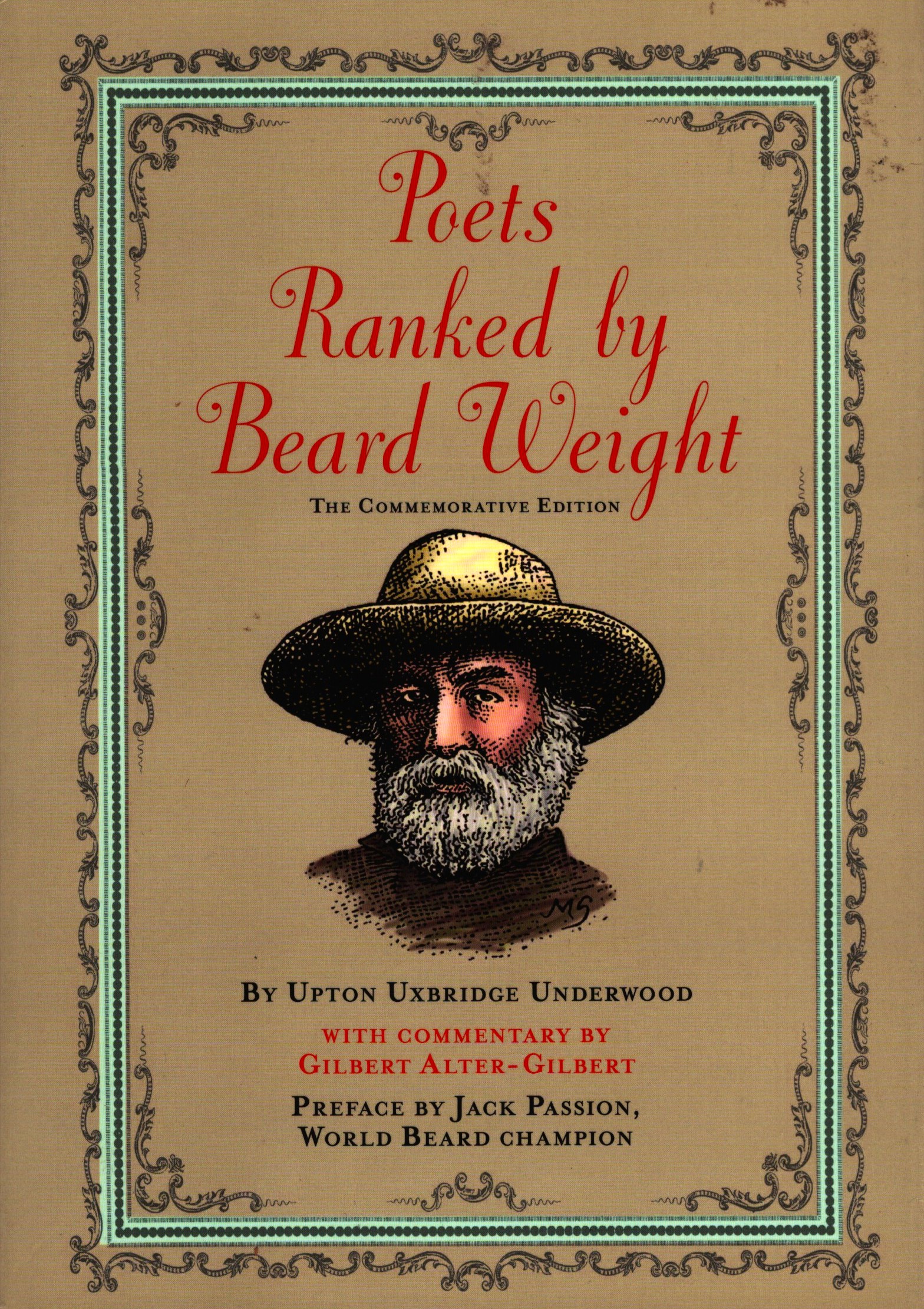
“Excepted and Abridged from The Language of the Beard, originally circulated by The Torchbearer Society, London, 1913,” it says inside. You probably would not be surprised if you learned that neither Upton Uxbridge Underwood nor The Torchbearer Society ever existed and this work of “Edwardian esoterica” is a complete invention. You probably also would not be surprised if Gilbert Alter-Gilbert was another conveniently fake name. Surprise. Alter-Gilbert is a real person, “a critic, translator, and literary historian whose work has appeared in numerous magazines and journals [as well as] an art and architecture critic”. He also possesses a sly sense of humor. This epic of insane beard history originally appeared on the 50watts.com website in 2009 and was expanded to book-length two years later, with hilarious drawings by Mahendra Singh and a preface by the real “world beard champion” Jack Passion.
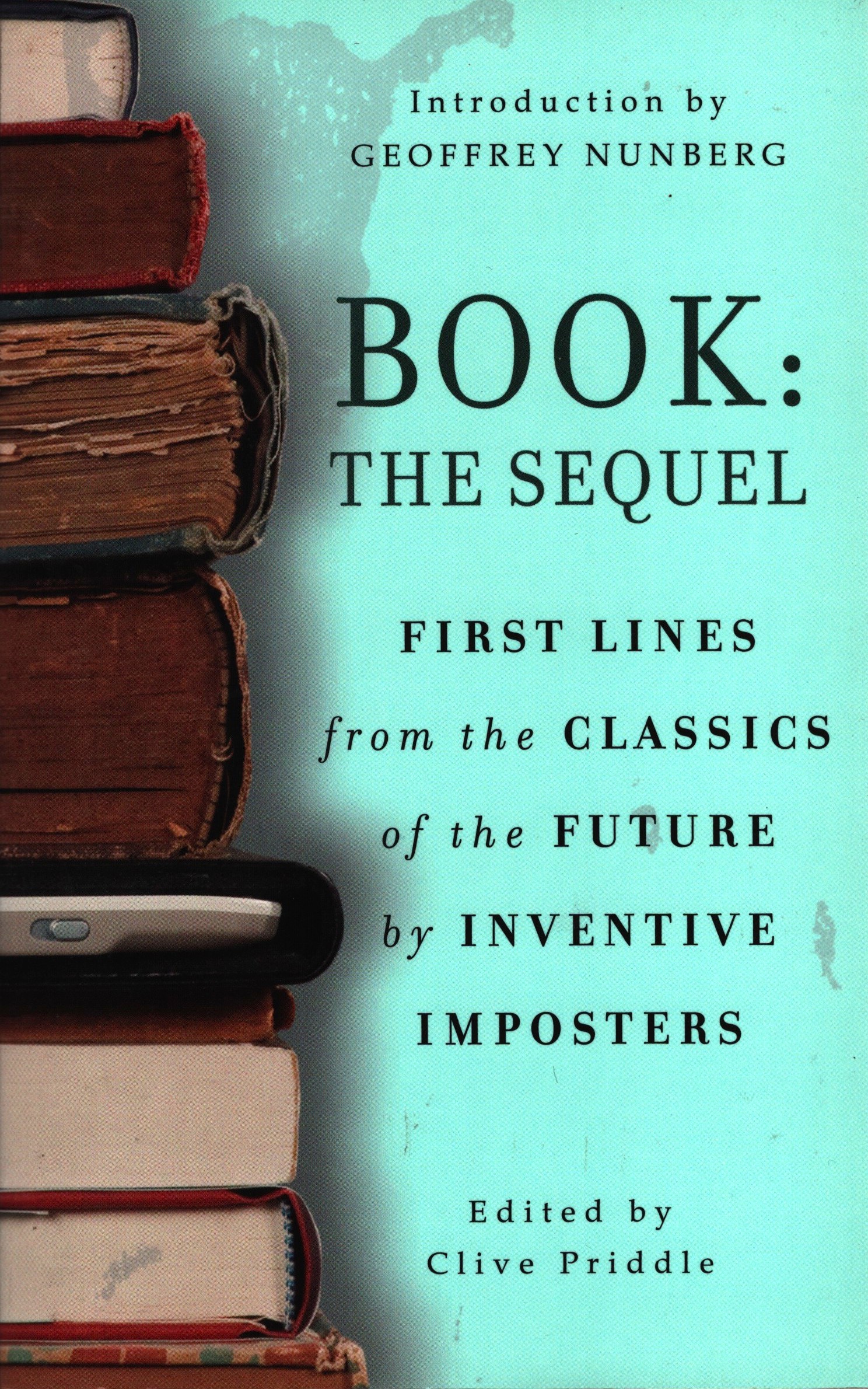
In 2009 a call went out on the internet for contributions to a book of first lines from imaginary sequels to famous books. Hundreds of entries poured in starting in late April, which were culled for an actual print book edited by Clive Priddle. Many of the contributions were truly witty and clever, but the larger point of interest was that “Book: The Sequel was edited, designed, laid out, and produced in a wide variety of formats (i.e., print, audio, large text, and e-book) in forty-eight hours on May 28-29, 2009″ by the Perseus Book Group and distributed at Book Expo America. The power of combining the internet and standard publishing was delightfully displayed, making a now scarce collector’s item.
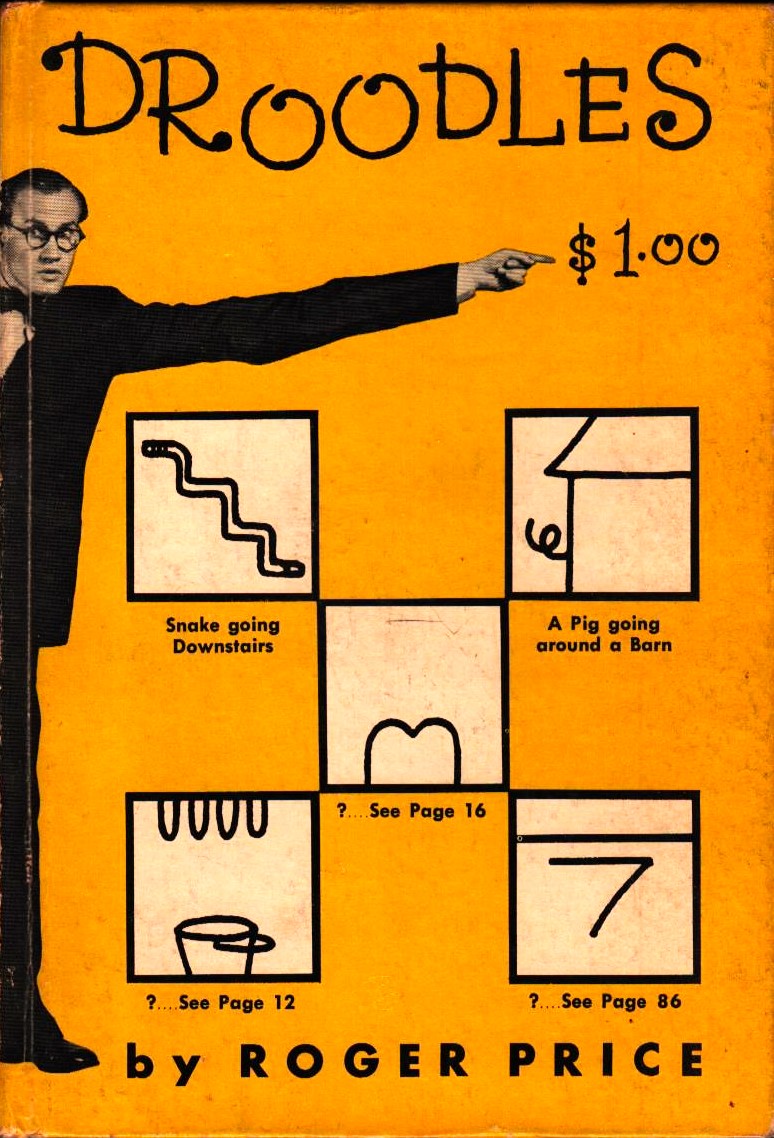
Someone actually invented Mad Libs and that someone was Roger Price, comedian, satirist, jokewriter, and all-around wit. Droodles came first. Droodles (a pun on doodles, of course) were kid-level drawings with a snappy and totally unexpected caption turning the doodle into a delightful visual pun. First published in May 1953 in This Week magazine, a Sunday supplement included with tens of millions of newspapers, Droodles exploded as a national fad faster than Davy Crockett or hula hoops. Simon & Schuster jumped on the prospect and published a book of them later in the year. It sold a million copies, and later Droodles book appeared in English and a bunch of other languages. So fantastically popular were Droodles that a short-lived game show with witty panelists suggesting captions was shown on NBC in 1954. Price co-founded the publishing house of Price/Stern/Sloan to publish Mad Libs and other humor books, many of which I have in my collection. (But not Price’s own prose humor books, oddly.) Feel free to make up your captions for the ones not given on the cover below.
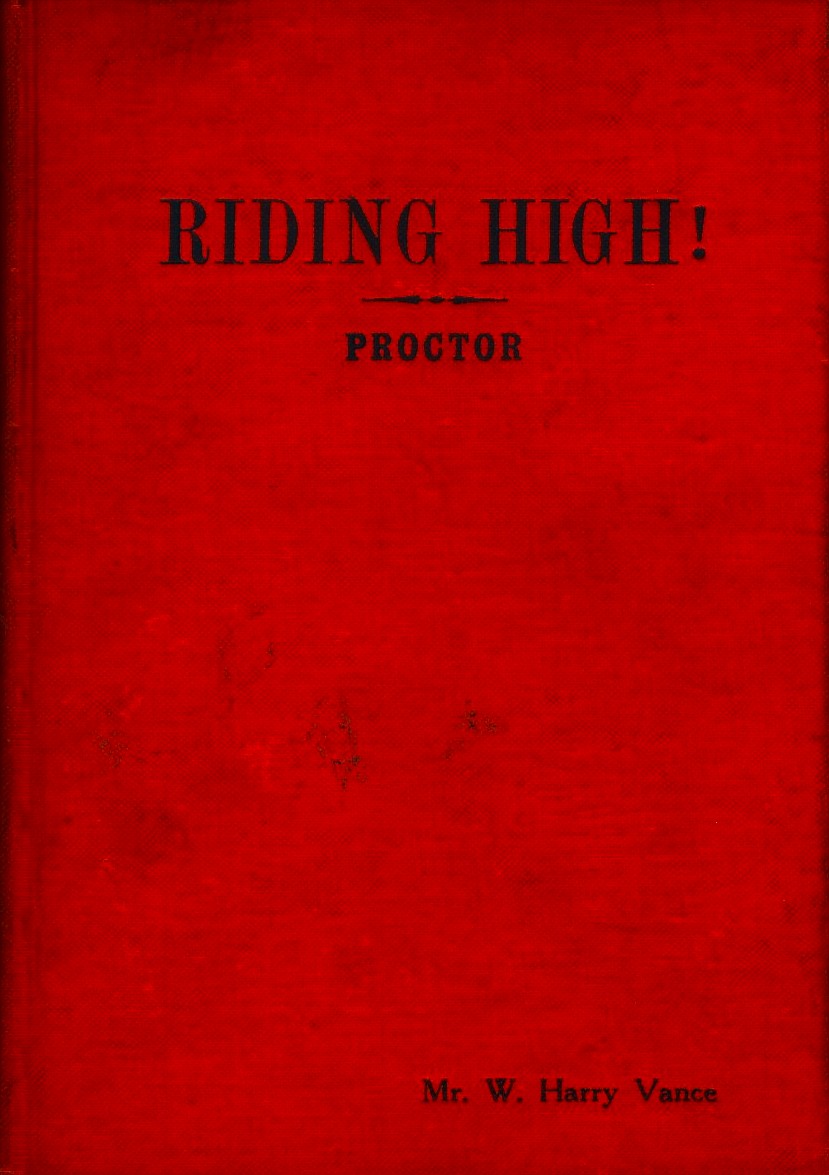
David Milton Proctor was a prominent attorney in Kansas City who got elected to the Missouri State Senate as a Republican. The Democratic Pendergast political machine that controlled Kansas City politics – and launched Harry S. Truman’s career – infuriated him and he launched a righteous crusade against them. Perhaps not so righteous was his far greater fury against Franklin Roosevelt’s New Deal. In 1936 he penned a satiric book of letters, Pay Day, as from a Missouri farmer to his son in college berating FDR’s farming policy. With nothing changed, in his opinion, he wrote Riding High!, a similar book of letters from a constituent to his Senator in Washington in 1939. Weird enough in own right, my copy is even weirder. It is imprinted with “Mr. W. Harry Vance” on the cover, who also signed the book “Compliments of W. H. Vance” in large handwriting. Vance, also a Kansas City Republican, was “associated” – the word used by a contemporary newspaper – with Brown Book Company, the publisher (under various names) of Proctor’s books. All I can assume is that Vance loved the book so much, he had copies printed with his name on the cover to hand out to Republican supporters. Unique in all my experience.
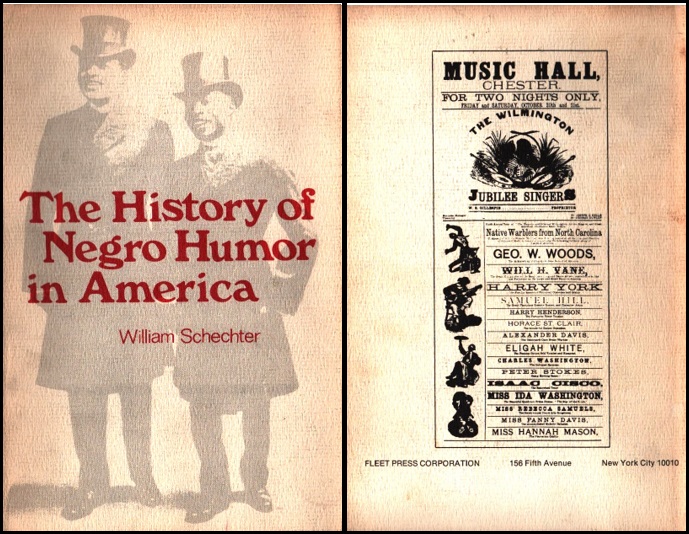
Willliam Schechter was not an academic, but in 1970 he wrote the first comprehensive history of black humor that I know of. The book covers the subject from plantation humor to the then-contemporary work of Flip Wilson, Bill Cosby, and Dick Gregory. Contains many rare early pictures that seem outrageous today but are critical to understanding history.
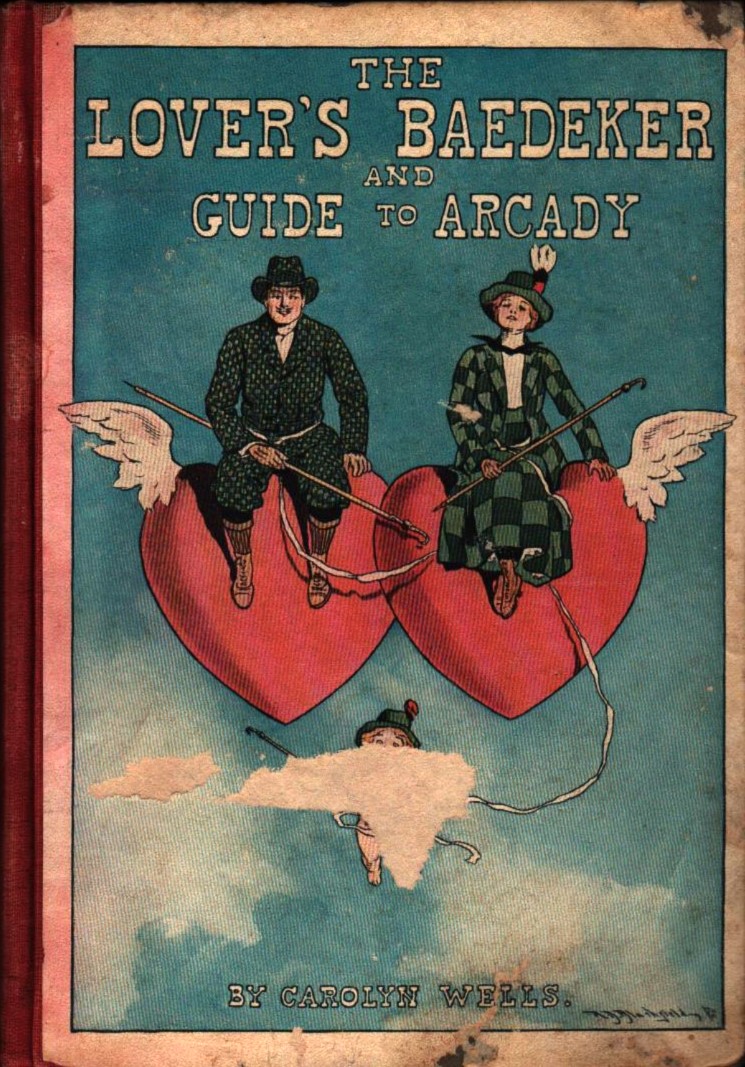
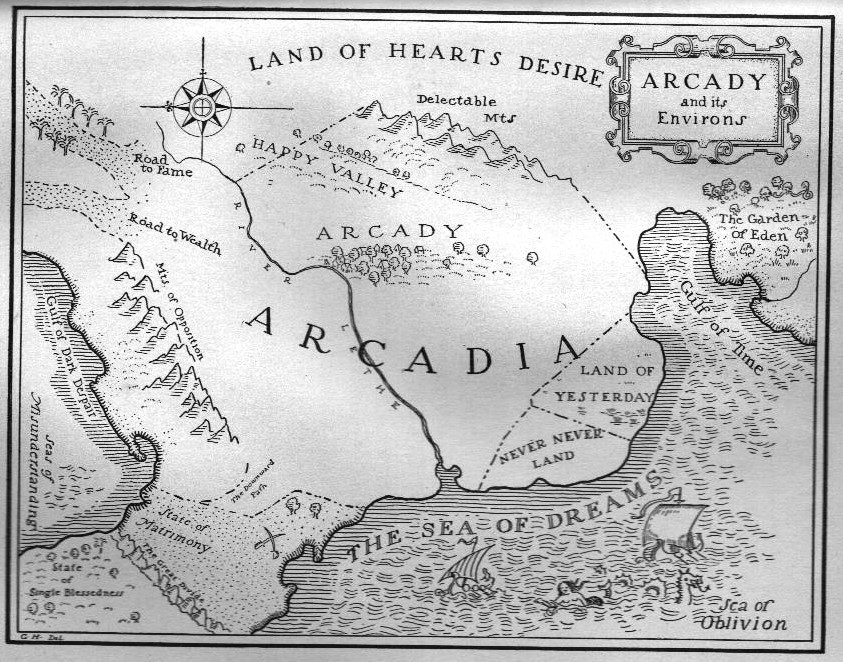
Tolkien didn’t invent the fantasyland novel, complete with maps and discussions of how the world worked. I’m not sure who did it first, but I know that Carolyn Wells created one back in 1912. Wells was astoundingly prolific: she is credited with 170 novels, mostly mysteries and Young Adult. She also was almost as obsessed with humor as I am. A series of anthologies of humorous poetry appeared in the first years of the 20th Century. Her Arcady is a spoof on love and marriage, a Baedeker (travel guide) with illustrations by A. D. Blashfield and maps by George W. Hood.
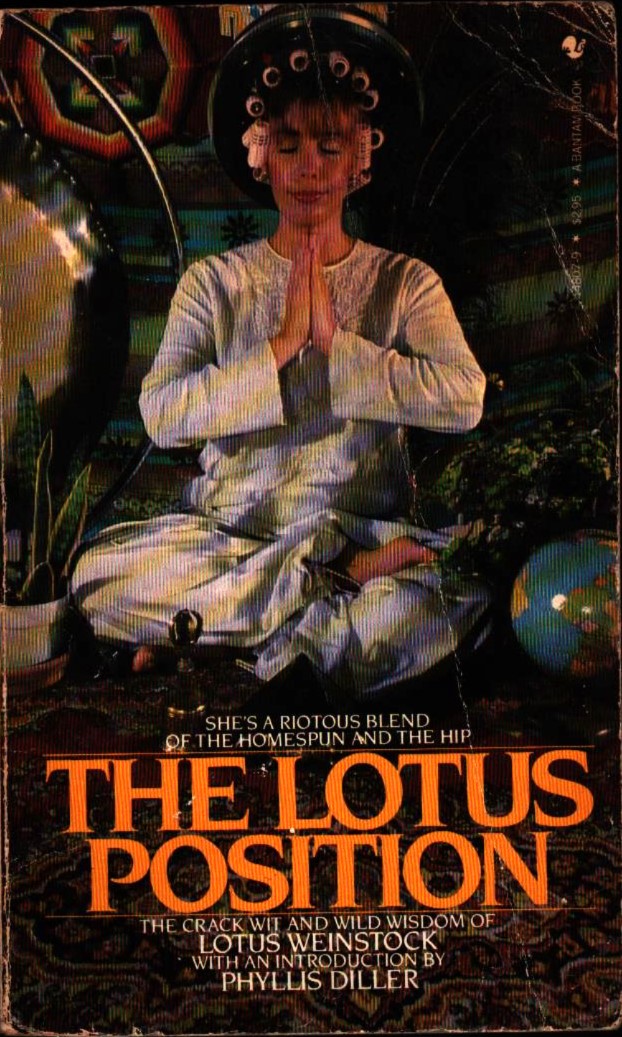
There was a time when original books were released in mass-market paperback, the small size to differentiate them from the more prestigious book-sized trade paperbacks. In the 1980s, the publisher Bantam Books created a line of Bantam Humor Books. Most of them were anthologies or joke collections, but they filled a historic gap with Lotus Weinstock’s only book. She started a career as a stand-up comic in the early 1960s, when times were rough for women. Phyllis Diller, who went through that gantlet herself, wrote the introduction. It starts: “It is important to know that Lotus’s mother dropped her on her head three times.”
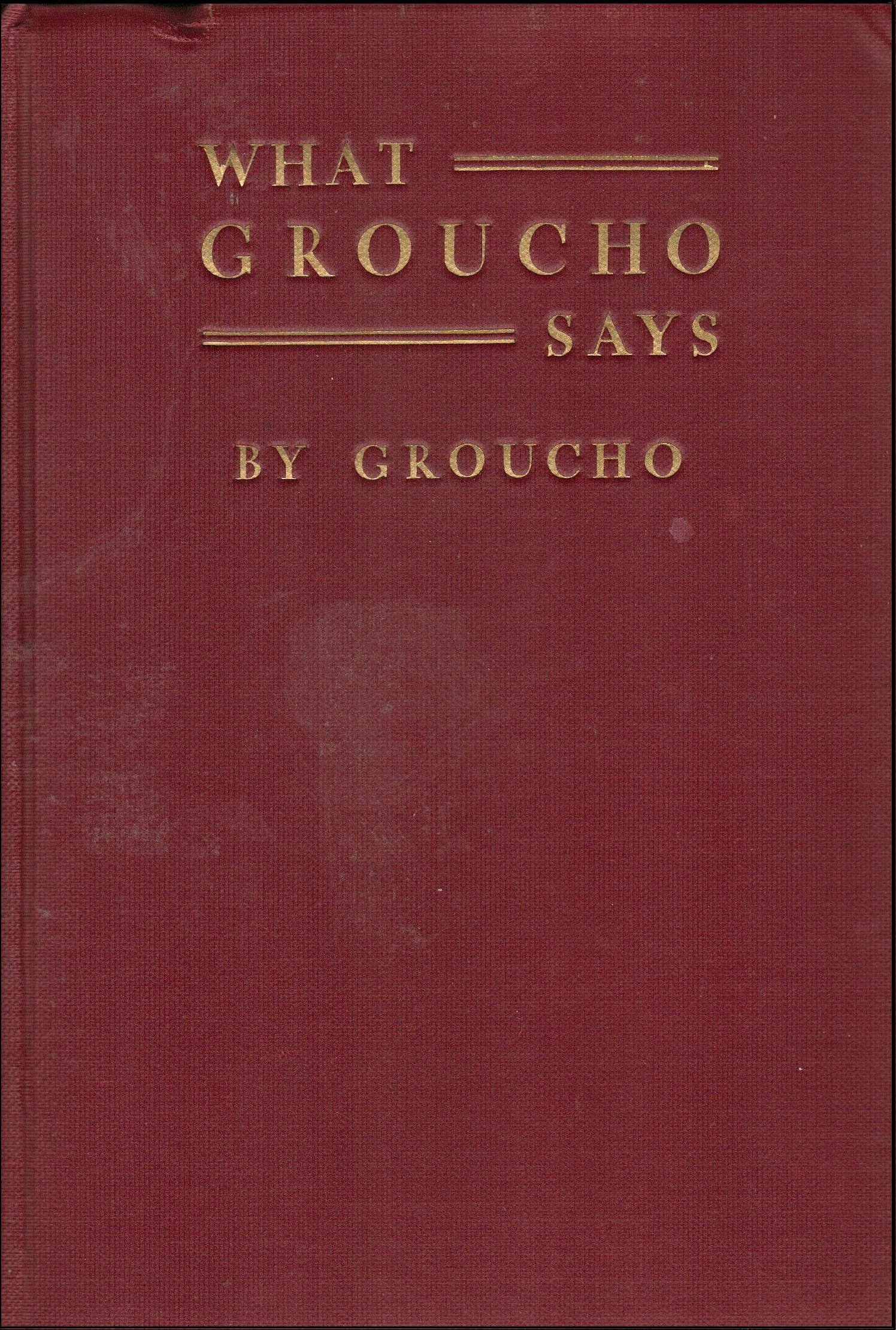
Groucho says what? Not the Groucho we all know so well, but an ad man of the 1920s who wrote humorous critiques of the ad world in the magazine Printers’ Ink. Who “Groucho” was might have been an open secret in 1930, for all we know, but he’s anonymous today.

It couldn’t be a humor collection without the real Groucho. He’s all over this Farsi edition of the script for A Day at the Races, printed in Iran. Curiously, the script includes an English transcription of the “Gabriel (Who Dat Man)” musical number. Farsi is read right to left, so the spine of this trade paperback is on the reader’s right.


You must be logged in to post a comment.